






Ministry of Finance, Planning and Economic DevelopmentDoing Business Portal
UPCOMING EVENT

Third Annual Doing Business Forum

Transforming Subregional Economies Through the Construction Value Chain: The Role of Real Estate, Infrastructure and Investment in Achieving Uganda's Tenfold Growth Strategy – Lessons from Ankole Subregion

200
Expected participants
4
Expected sessions
5 November 2026
Date
Mestil Hotel, Kampala
Venue
In person
Format
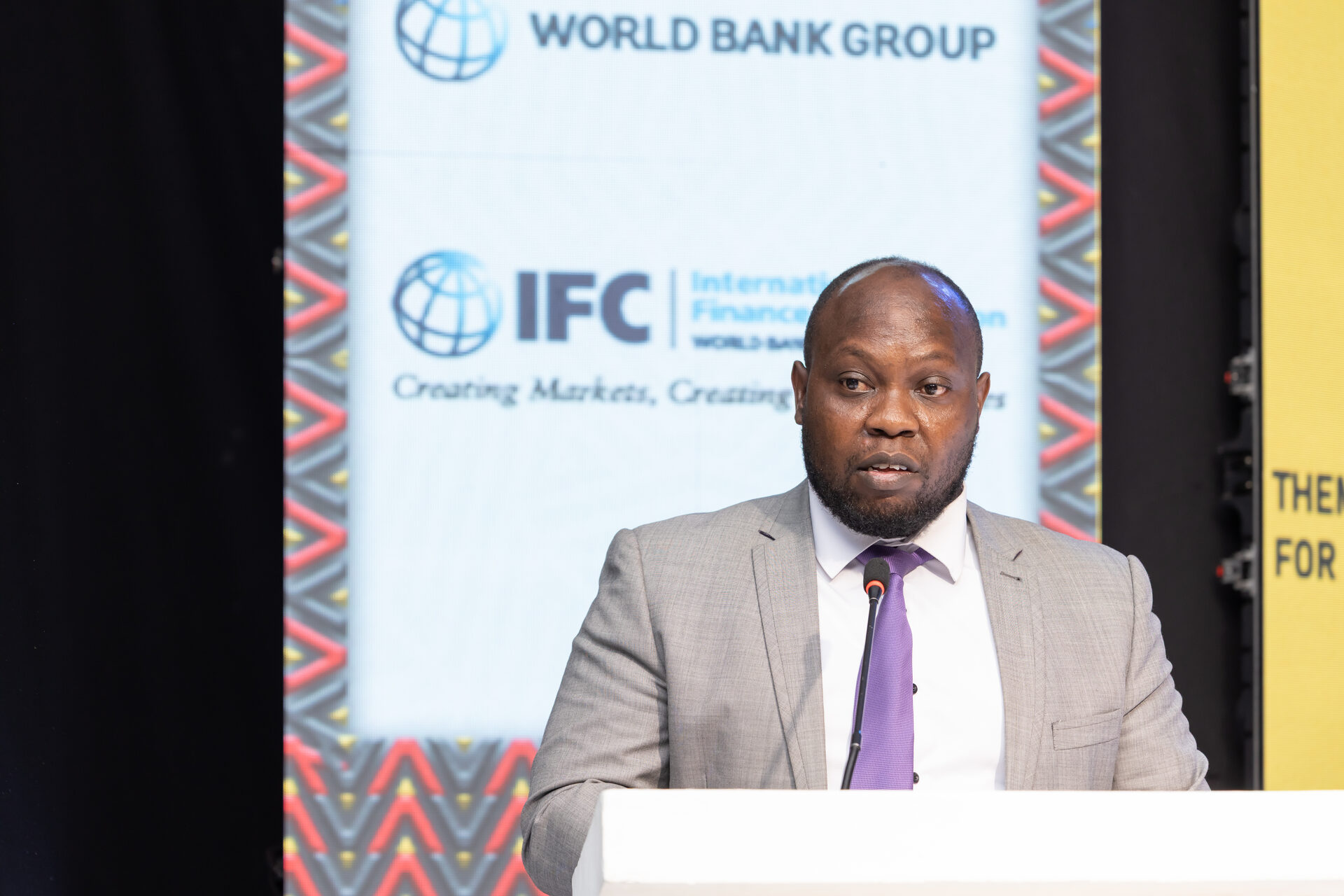
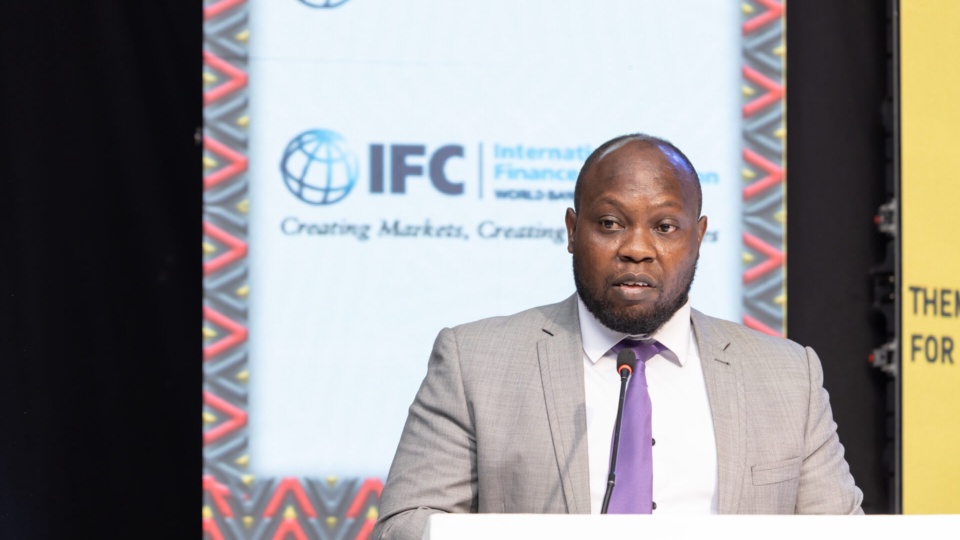
A speaker addressing an earlier Doing Business Forum from the lectern. Not a photograph of this edition.

Photograph from an earlier Forum — awaiting this edition's own

Competitiveness Indicators

Uganda’s Business Competitiveness at a Glance

Key indicators shaping the cost, speed and ease of doing business.

Explore all indicators
Ugandan entrepreneurs registering a business online with URSB, with a certificate of incorporation marked registration complete.

Business Registration

Time to register
3–5 days
Cost of incorporation
UGX 263K–500K
Online filing uptake
>70%

Faster, affordable and digital registration reduces the time and cost of starting and formalising a business.

Explore
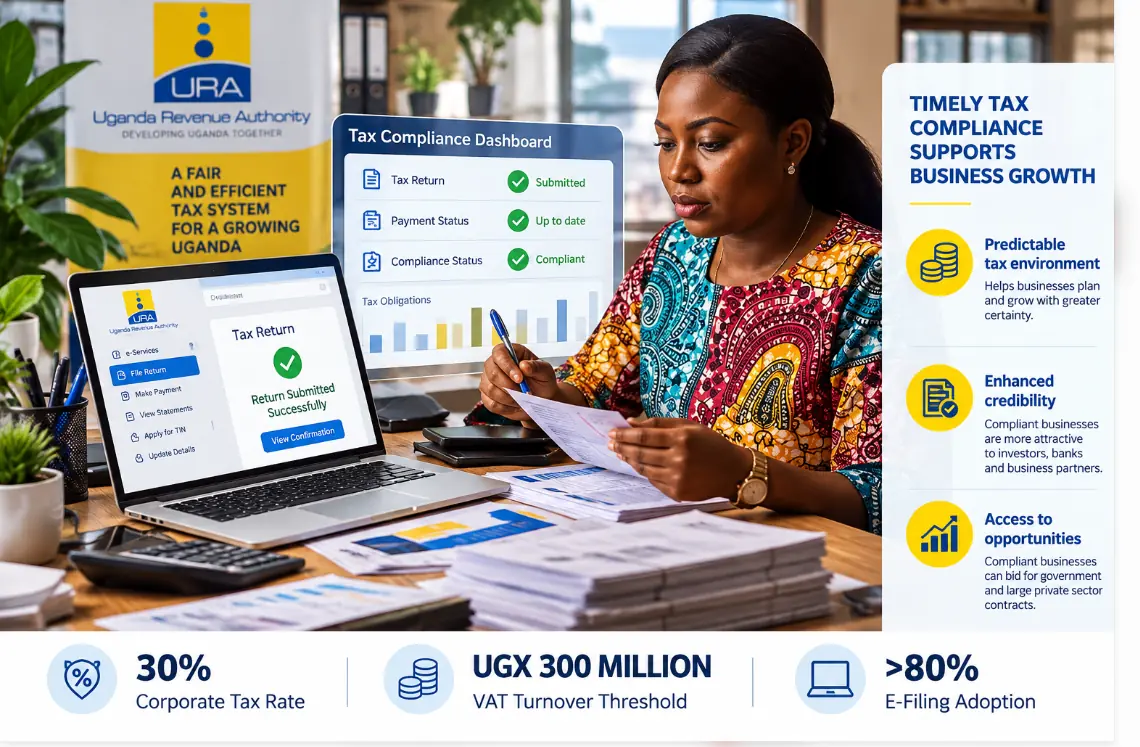
A Ugandan business owner filing taxes online with URA, with a tax compliance dashboard showing return submitted, payment up to date and compliant.

Taxation & Compliance

Corporate tax rate
30%
VAT turnover threshold
UGX 300M
E-filing adoption
>80%

Predictable tax requirements and efficient digital services make compliance easier and support better business planning.

Explore
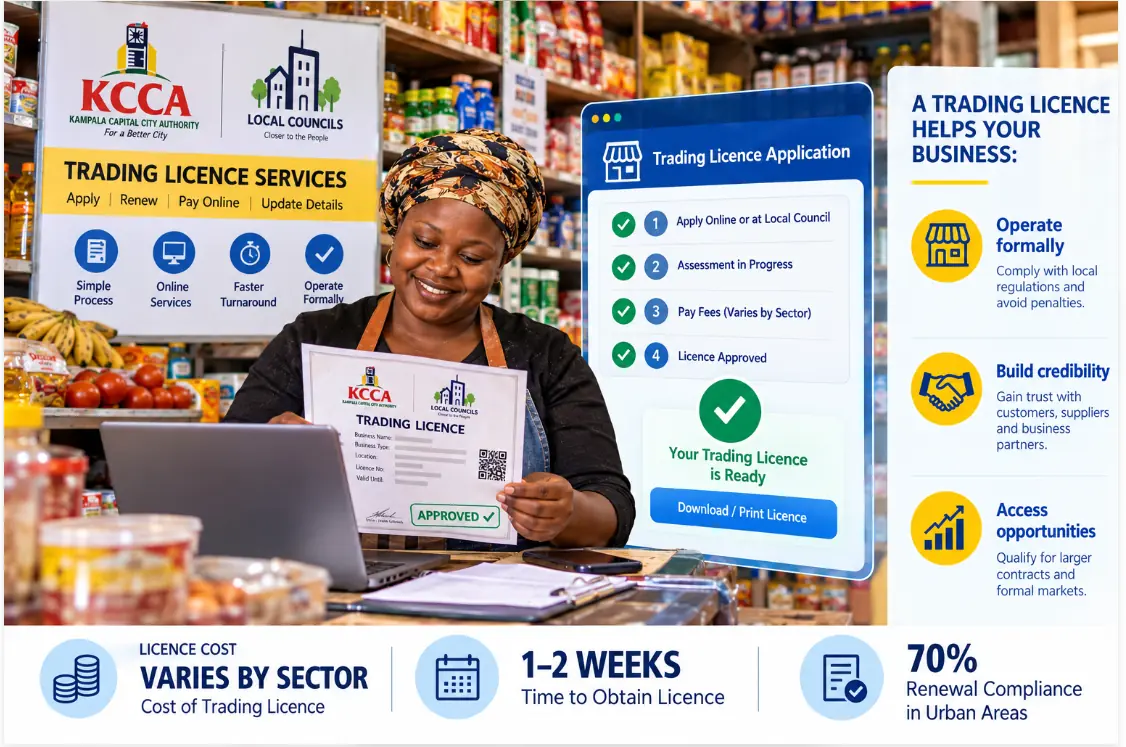
A Ugandan shop owner holding a KCCA trading licence in her premises, beside the steps to apply, assess, pay and receive a licence.

Trading Licences

Time to obtain a licence
1–2 weeks
Licence cost
Varies by sector
Renewal compliance in urban areas
70%

Simple and timely licensing reduces administrative costs and enables businesses to operate formally.

Explore
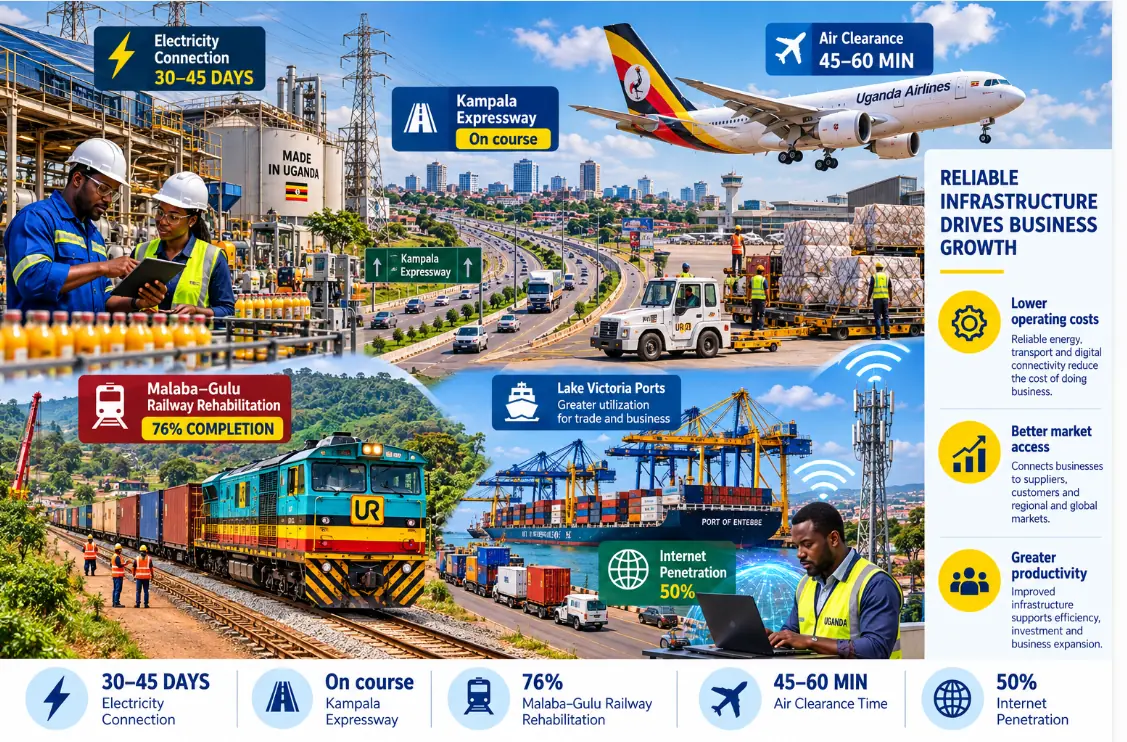
Uganda’s infrastructure network: a factory connected to electricity, the Kampala Expressway, the Malaba–Gulu railway, air cargo, Lake Victoria ports and internet connectivity.

Infrastructure Access

Electricity connection
30–45 days
Kampala Expressway
On course
Malaba–Gulu railway rehabilitation
76%
Air clearance time
45–60 min
Internet penetration
50%

Reliable energy, transport and digital connectivity lower operating costs and connect businesses to suppliers, customers and markets.

Explore
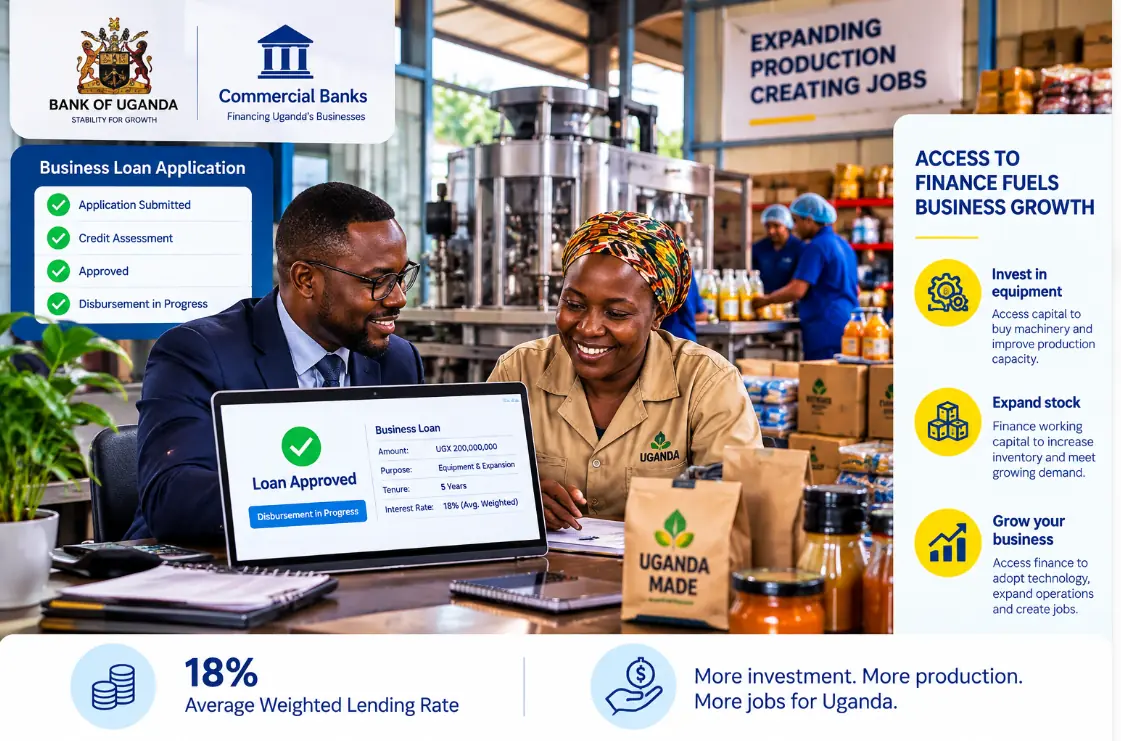
A Ugandan entrepreneur and a bank officer reviewing an approved business loan, with a production floor in the background.

Access to Finance

Average weighted lending rate
18%

The cost of finance affects firms’ ability to invest, expand production, adopt technology and create jobs.

Explore
A business owner receiving a certificate of title at the Ministry of Lands, with the National Land Information System on screen.

Property Registration

Time to register property
30–45 days

Efficient property registration strengthens ownership security and supports investment and access to finance.

Explore
Business people signing a commercial contract at the Commercial Court, with the ECCMIS electronic case management system showing case status.

Contract Enforcement

Average case resolution time
2 years
ECCMIS court automation rolled out
49 courts

Faster and predictable dispute resolution reduces commercial risk and strengthens confidence in business transactions.

Explore
Ugandan goods moving from producer to market: cargo trucks, a customs one-stop border post, the Uganda Electronic Single Window, and air and sea freight.

Trade Facilitation

Customs clearance
24–48 hours
Integrated in the Uganda Electronic Single Window
12 agencies

Faster and coordinated border processes reduce the cost of moving goods and strengthen firms’ competitiveness in regional and international markets.

Explore
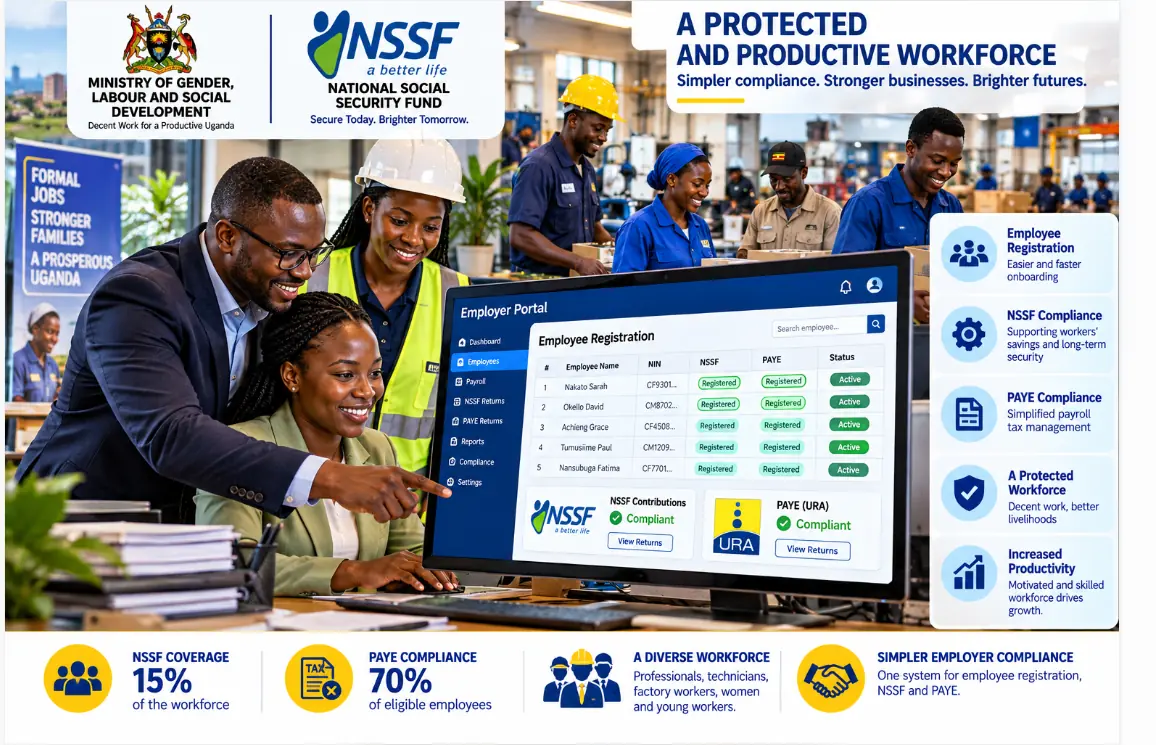
A Ugandan workforce and an employer payroll portal showing employees registered with NSSF and PAYE compliance.

Labour & Social Security

NSSF coverage
15%
PAYE compliance
70%

Efficient labour and social-security systems support a formal, protected and productive workforce while simplifying employer compliance.

Explore
Trade with the EU

Uganda's trade position, FY2024/25

Trade flows

Exports grew 80.8% in a single year

US$ million, financial year
Uganda's exports to and imports from the EU, FY2017/18 to FY2024/25, in US$ million05001,0001,5002,00017/1818/1919/2020/2121/2222/2323/2424/25Exports to EUImports from EU

Exports reached $1.93bn in FY2024/25 while imports held flat.

Trade balance

A $1.16bn surplus, the largest on record

US$ million, exports less imports
Uganda's trade balance with the EU by financial year, in US$ million17/1818/1919/2020/2121/2222/2323/24+$1,163M24/250
SurplusDeficit

Six deficit years give way to the strongest position Uganda has held.

Priority Sectors

Uganda's Priority Sectors

Uganda's Tenfold Growth Strategy targets four sectors with the highest potential for job creation and investment return.

Agro-Industry
Agro-Industry

From farm to factory — Uganda's agro-industrial opportunity

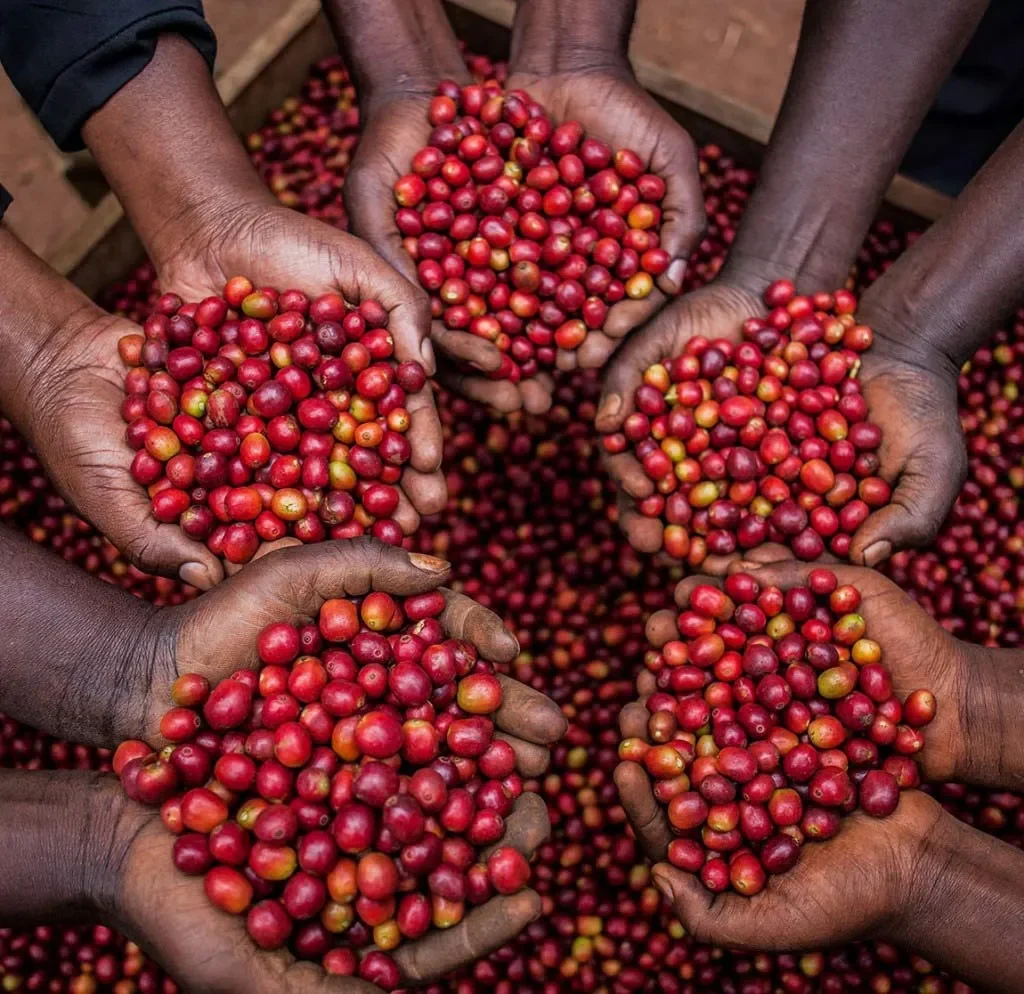
Uganda produces some of East Africa's most diverse agricultural output. We're building the processing capacity to match.

Explore Agro-Industry
Tourism
Tourism

Gorillas, Nile, and a continent's most biodiverse landscape

Uganda hosts 10 of Africa's Big Five, half the world's mountain gorillas, and the source of the Nile. Investment in hospitality and eco-tourism is backed by policy and incentives.

Explore Tourism
Minerals, Oil & Gas
Minerals, Oil & Gas

Beneath Uganda's surface — a resource investment opportunity

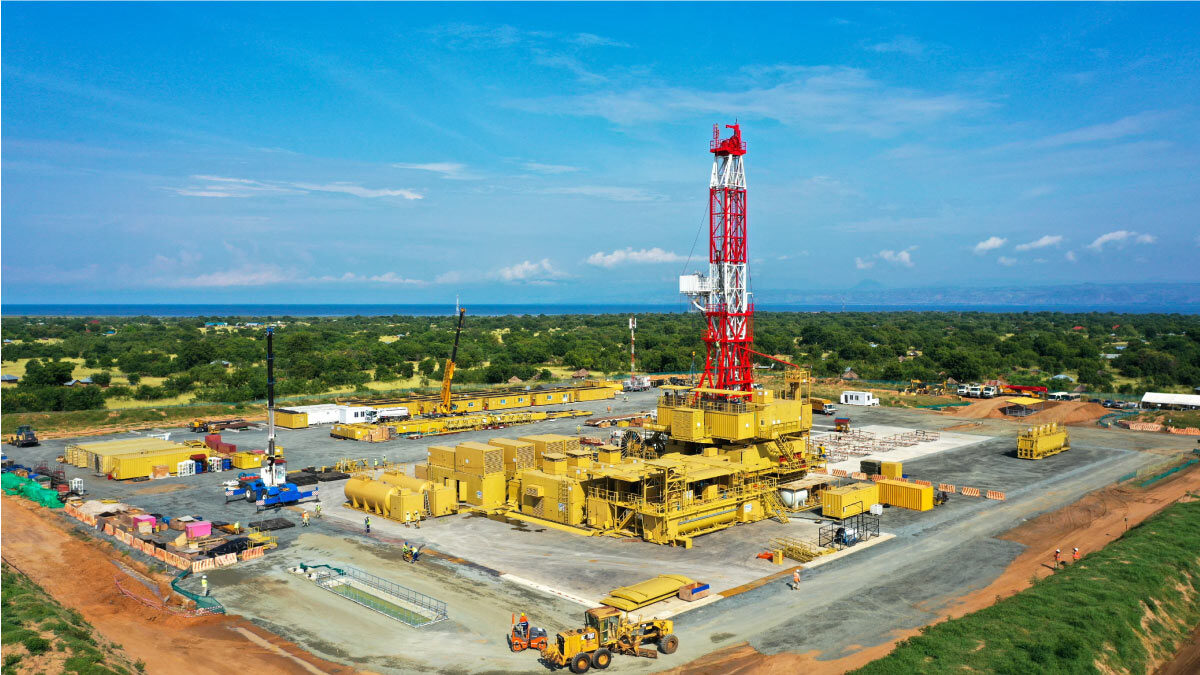
Oil reserves in the Albertine Graben, mineral deposits across multiple regions, and a regulatory environment being reformed for investor confidence.

Explore Minerals & Oil
Science, Technology & Creatives

Africa's next digital economy is being built here

Uganda's youthful population, growing tech ecosystem, and creative industries represent one of East Africa's most compelling digital investment stories.

Explore STI & Creatives
Financing Schemes

Find Financing That Fits You

Public financing exists for most Ugandan businesses — credit facilities, guarantees and grants — but it is scattered across the institutions that run it. The register brings the schemes together and records who each one is actually for.

Schemes in the register9 schemes

Credit facilities, guarantees and grants from 9 public and development finance providers.

Available without collateral5 of 9

The requirement that stops most small businesses borrowing, waived or substituted.

Open to micro-enterprises6 of 9

Eligibility recorded per scheme, so you can tell before applying whether you qualify.

Latest

Forum editions and published documents

A speaker addressing an earlier Doing Business Forum from the lectern. Not a photograph of this edition.
Upcoming forum
5 November 2026

Third Annual Doing Business Forum

Transforming Subregional Economies Through the Construction Value Chain: The Role of Real Estate, Infrastructure and Investment in Achieving Uganda's Tenfold Growth Strategy – Lessons from Ankole Subregion

Mestil Hotel, Kampala