
Feeding the Nation. Feeding the World.
Agriculture is Uganda's backbone — nearly two-thirds of the population depends on it, and agro-manufacturing already accounts for 65% of Uganda's Manufacturing Value Added. The Tenfold Growth Strategy draws a sharp line between subsistence farming and an agricultural economy, with a clear intention: transform what farmers grow into what markets value, at scale.
Uganda's projected GDP of US$ 500 billion by 2040. Reaching that number requires Uganda to stop exporting raw commodities and start exporting finished products — processed, packaged, and priced for the world.
The Nine Priority Commodities
The strategy zeroes in on nine high-potential commodities — known collectively as PIMA commodities — where Uganda already has a natural advantage and where global demand is strong and growing. The opportunity is not in growing more. It is in doing more with what is already grown.
What Transformation Looks Like
Each commodity has been selected because Uganda can produce it competitively and because the value chain above the raw material is largely untapped. Here is what moving up the chain looks like, commodity by commodity.
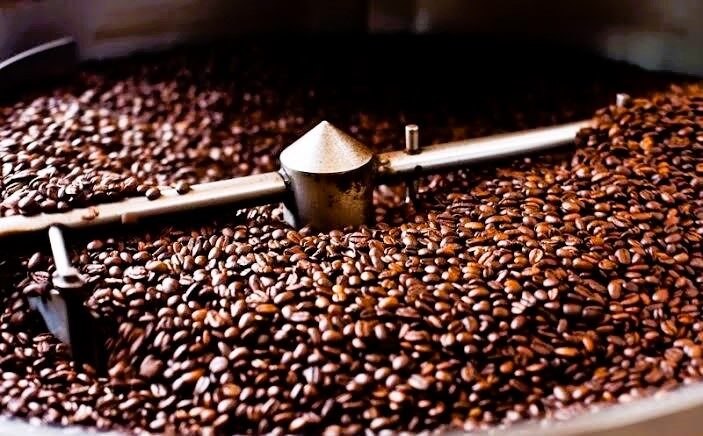
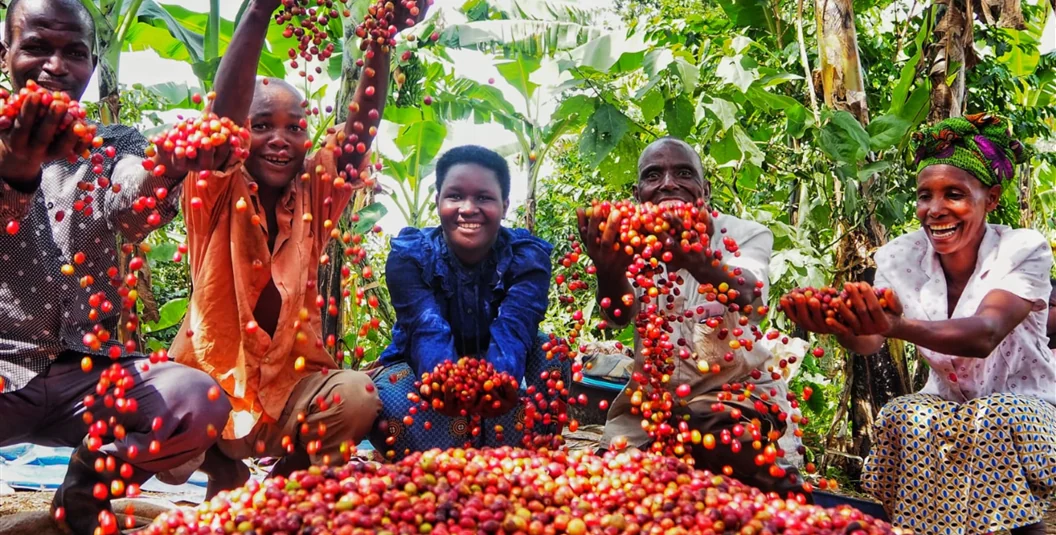
Uganda is one of Africa's largest coffee producers, yet most exports leave as raw green beans — the lowest point in the value chain. The strategy calls for a local soluble coffee plant, allowing Uganda to process, brand, and export instant and specialty coffee at a significantly higher price point.
Uganda has historically exported raw cotton lint rather than finished fabric or garments. The plan builds local spinning mills and organises the garment industry around an export-ready model, creating an integrated pipeline from farm to fabric.
Lake Victoria and the Nile basin provide an exceptional platform for fish processing, while Uganda's livestock potential remains underutilised. The strategy calls for combined abattoirs, meat processing facilities, and high-grade fish and animal feed manufacturing plants.
These staple crops represent a major industrial demand opportunity — from starch production and animal feed to cooking oil and biofuel. The strategy envisions processing facilities that convert these crops into intermediate and finished industrial products.
Both sectors have existing infrastructure but have not yet captured full output value. Value addition in dairy through cheese, yoghurt, UHT milk, and powdered milk — and in tea through branded specialty products — offers a direct path to higher export earnings.
The Parish Development Model
The PDM is not just a financing mechanism — it is the institutional vehicle through which Uganda modernises its agricultural base from the ground up. It recognises that transformation cannot happen only at the processing end of the chain. The farm itself must change.
- Seed strategy modernisation
Ensuring farmers have access to improved, high-yield varieties matched to Uganda's agro-ecological zones.
- Subsistence to commercial transition
Structured support to move smallholder farmers from growing for consumption to growing for market, with extension services and aggregation support.
- Finance linked to insurance
PDM credit tied to mandatory enrollment in the Uganda Agriculture Insurance Scheme (UAIS), protecting farmers and lenders from drought, floods, and crop failure.
- Aggregator linkages
Connecting farmers to commodity aggregators so small-scale producers can participate in large supply chains without negotiating individually with processors or exporters.
De-Risking Agriculture
One of the most persistent barriers to agricultural investment in Uganda is risk: unpredictable rainfall, post-harvest losses, price volatility, and weak market linkages. The Tenfold Strategy takes this seriously. Its risk-mitigation framework is designed to make agriculture investable.
Reducing dependence on rainfall and extending growing seasons across more of the country, making output more predictable for investors.
Directly linked to PDM financing so smallholders are covered from the moment they access formal credit — protecting both farmer and lender.
Buffering smallholder farmers against price volatility by linking them to buyers with longer-term contracts and more stable price floors.
Agro-Parks and Industrial-Scale Farming
For large-scale value addition to happen, Uganda needs the physical infrastructure to support it. The strategy calls for fast-tracking agro-park development across the country — designated industrial zones where processing facilities, cold chains, packaging operations, and logistics hubs co-locate.
Agro-parks offer a ready-made industrial environment — utilities, land, regulatory clarity, and proximity to raw material supply — rather than requiring investors to build from scratch.
Public-Private Partnerships (PPPs) are the primary vehicle for financing and operating these facilities, reducing the burden on public budgets while ensuring private capital is put to productive use.
Regulatory and Commercial Structure
Transformation at this scale requires a more ordered commercial environment. These interventions are not about burdening the private sector — they are about creating the institutional clarity that makes serious investment possible.
- Enforcing trading licences
Formalising commercial activity along agricultural value chains, bringing informal traders into a regulated framework.
- Gazetting land for beef production
Creating designated commercial livestock zones with clear land tenure and investment certainty for large-scale operators.
- Commercial farmers' register
A verified database of large-scale producers accessible to government and private buyers for supply chain planning.
Explore Agro-Industrial Opportunities
Browse open PPPs, investment invitations, and supply chain partnerships across Uganda's agro-industrial sector.