
Uganda's Ground Is Telling a Different Story
Beneath Uganda's soils — from the Albertine Rift in the west to the Karamoja highlands in the northeast — lies a mineral endowment the country has barely begun to realise. Gold, copper, iron ore, cobalt, lithium, graphite, and more: Uganda sits on reserves that, in the context of the global energy transition, have gone from strategically significant to urgently sought-after.
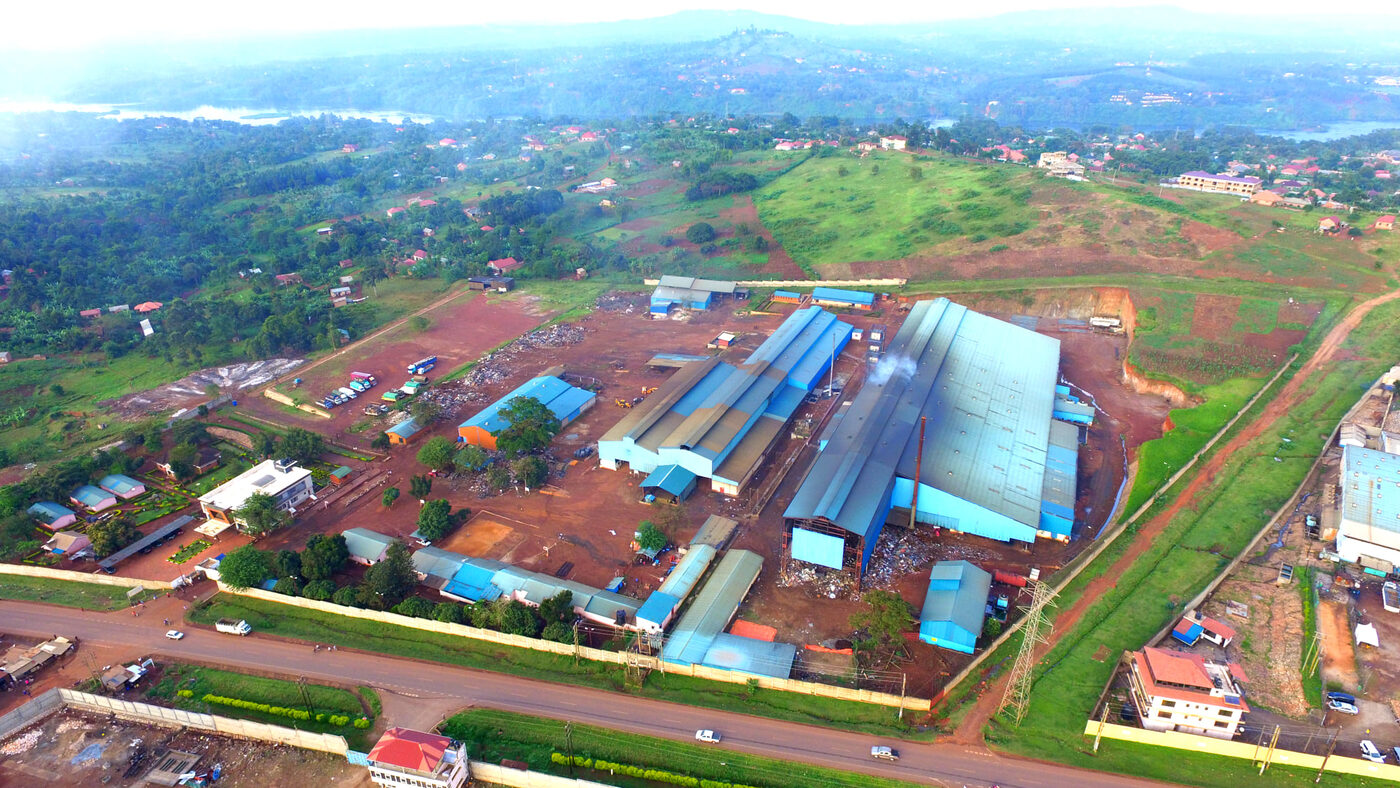
US$ 20B from minerals and US$ 5B from oil and gas. What is striking about the strategy is not just the scale of the target, but the philosophy: Uganda intends to be a processor, not just a digger.
Uganda's Mineral Endowment
The strategy focuses on 12 targeted minerals where Uganda has documented reserves and where the economics of extraction and processing are viable — a portfolio assembled around two themes: conventional industrial minerals and new economy metals reshaping global supply chains.
One of East Africa's significant producers, though much of the trade flows through informal channels — a formalisation opportunity.
Significant reserves with applications in industrial manufacturing and increasingly in electric infrastructure.
The foundation of a domestic steel industry, reducing Uganda's dependence on imported construction materials.
The basis for fertilizer production, directly addressing Uganda's agricultural transformation ambitions. The Sukulu Hills deposit is among Africa's most significant.
Primary input for cement and clinker manufacturing, with significant domestic and regional demand.
A critical component in lithium-ion batteries and therefore directly in the global EV supply chain.
Among the most sought-after minerals in the world as electric vehicle and battery storage demand surges globally.
The material forming the anode in virtually every lithium-ion battery in production. The Orom-Cross Graphite Project in northern Uganda is a flagship target for commercialisation.
Positioning Uganda in the Global Energy Transition
Graphite is the material that forms the anode in virtually every lithium-ion battery currently in production. As electric vehicles, grid storage, and consumer electronics scale globally, demand for graphite is projected to increase dramatically. Uganda's significant graphite deposits — including the Orom-Cross Graphite Project in the north — put it inside one of the most strategically contested supply chains in the world.
Combined with cobalt and lithium reserves, Uganda has a credible basis for positioning itself as a hub for battery materials sourcing and processing in East Africa. The strategy is explicit: Uganda is not just trying to dig these materials out of the ground and sell them. It is trying to participate in the value chain that the energy transition is creating.
The Processing Imperative
Uganda must process its minerals domestically, not export them as unprocessed ore. The Tenfold plan backs this ambition with specific projects and institutional interventions.
- National Mining Company
A state-owned mining enterprise to give Uganda institutional capacity and equity stakes in key mining projects, rather than simply issuing licences to foreign operators.
- Formalising Artisanal Mining
Bringing the substantial artisanal and small-scale mining sector into compliance — with legal registration, environmental standards, and access to formal markets — increasing government revenue and improving conditions for miners.
- Sukulu Fertilizer Plant
Processing Sukulu Hills phosphates into fertilizer locally, addressing two national priorities simultaneously: generating export revenue from the mineral and providing domestically produced fertilizer that reduces import costs for agriculture.
- Copper Refining
Refining copper domestically rather than exporting copper concentrate, capturing a significantly larger share of value. Refined copper commands premium prices and has direct infrastructure applications domestically.
- Clinker Manufacturing
Uganda currently imports significant volumes of clinker — the primary cement ingredient — despite having the limestone reserves to produce it domestically. Building clinker capacity reduces import costs and creates an exportable product.
Oil and Gas: Beyond the Barrel
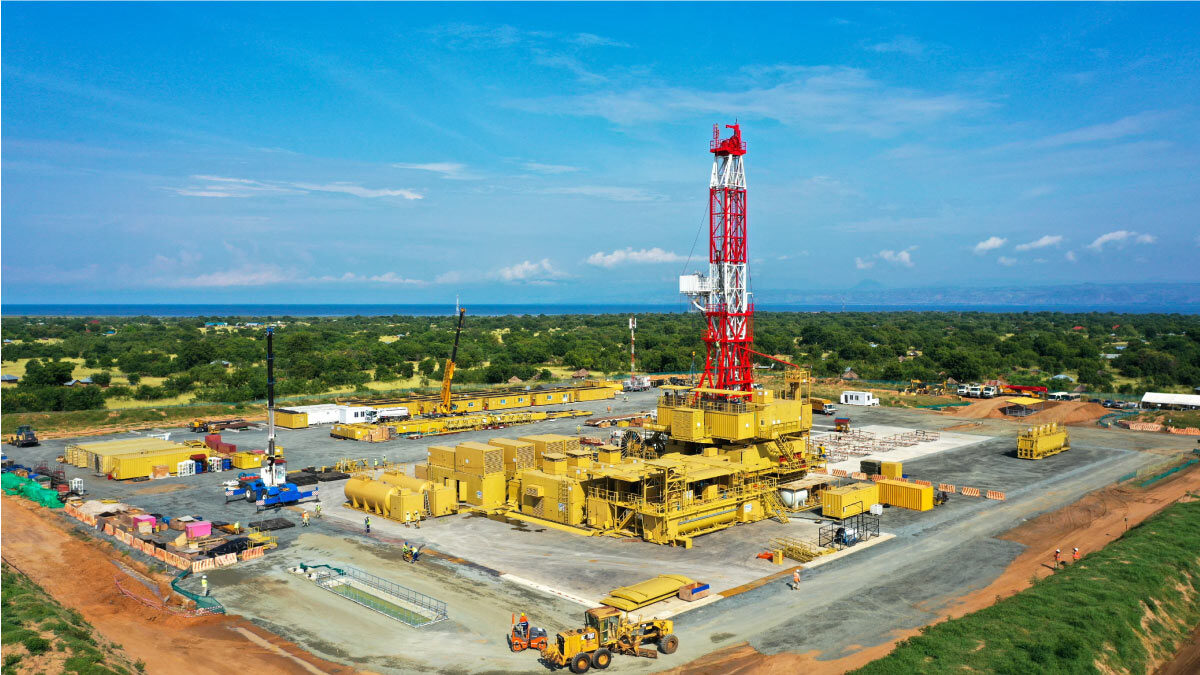
Uganda's proven Albertine Graben reserves of approximately 6.5 billion barrels — with around 1.4 billion commercially recoverable — represent a substantial national asset. The strategy does not treat oil simply as a revenue stream. It treats oil as the foundation of a petrochemical industry.
The 1,443 km heated pipeline transporting crude oil from the Albertine fields to the Tanzanian port of Tanga. Fast-tracking EACOP is a prerequisite for any export revenue.
Located at the Kabalega Industrial Park, the refinery will process a portion of crude domestically, producing refined petroleum products for the local and regional market — and generating naphtha as feedstock for the petrochemical complex.
Infrastructure for storing refined and imported petroleum products at scale, ensuring national energy security and providing a platform for petroleum product distribution.
The Petrochemical Vision
The Kabalega Industrial Park refinery will produce naphtha as a by-product of crude processing. Naphtha is the feedstock for a petrochemical manufacturing complex — an ambitious industrial leap, but one grounded in the logic that Uganda has the feedstock, the industrial park infrastructure, and the regional market demand to make it viable.
Building blocks of synthetic resins, plastics, textiles, and rubber.
Accelerating Uganda's transition away from charcoal and firewood, with a large and growing regional market.
Uganda's road construction programme is massive. Domestic production removes a significant import cost and directly supports the infrastructure agenda.
A direct link between the petrochemical complex and Uganda's textile and garment sector ambitions.
Explore Mineral and Energy Investment Opportunities
Licensing rounds, processing partnerships, and infrastructure PPPs across Uganda's mineral and energy sectors.