
The Pearl of Africa — Open for the World
Winston Churchill called Uganda the Pearl of Africa. Uganda is home to mountain gorillas, chimpanzees, the source of the Nile, the Rwenzori Mountains, and one of the world's great concentrations of bird life. By any natural measure, it should be one of Africa's premier destinations. The strategy sets out to make it exactly that.
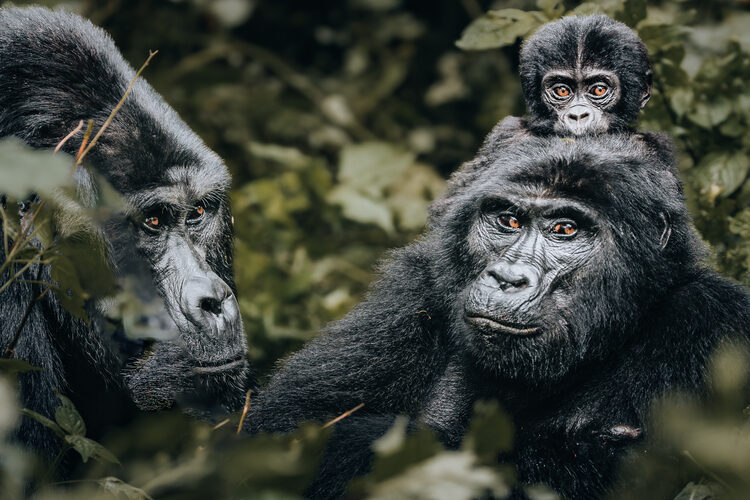
The pathway involves not just attracting more visitors but fundamentally rethinking what kind of destination Uganda becomes — through infrastructure, product variety, safety, and domestic participation.
The Growth Formula
The US$ 50 billion target is not built on a single variable. It rests on three simultaneous shifts — none of which is achievable without the others.
Bringing far more international visitors into the country through better connectivity, product diversity, and destination marketing.
From the current baseline of 8.3 nights, by creating enough compelling destinations and circuits that visitors have reason to stay longer.
By developing premium products, experiences, and hospitality infrastructure that attract and serve higher-spending travellers.
Beyond inbound tourism, the strategy also identifies a largely untapped opportunity in domestic tourism, targeting a 30-fold increase in domestic travel. A truly healthy tourism economy must be built on a local base as well as an international one.
The Foundation: Civic and Trade Order
Before a tourist books a trip, they form an impression. Uganda's current impression — shaped by narratives around urban safety, road conditions, and public health — is one of the most important things the strategy addresses. This is not cosmetic: a visitor who feels unsafe will not come back.
- Road safety enforcement
Strict enforcement of road safety regulations, reducing the traffic accident risk that deters both domestic and international travellers.
- Public health standards
Health and sanitation standards enforced at public spaces, markets, tourist sites, and hospitality venues.
- Environmental protection
Preservation measures for the natural assets Uganda is selling to the world.
- Urban safety campaign
Direct action against urban crime, including homicide reduction strategies, making Kampala and other urban centres feel safe and welcoming.
Transforming Kampala: The Gateway Experience
For most international visitors, Kampala is where the Ugandan experience begins and ends. Getting Kampala right is not just about Kampala — it is about the entire country's reputation. The strategy places significant emphasis on a facelift of the Greater Kampala Metropolitan Area.
Ambulance networks and public health rapid response that make Kampala feel like a city where visitors are safe and cared for.
Reducing the notorious congestion and pollution that currently define the city's traffic experience for residents and visitors alike.
Roads, public spaces, signage, and urban amenities brought up to the standard that high-spending tourists expect.
Aviation and Hospitality Infrastructure
Visitors can only come if they can get here — and stay comfortably once they arrive. The strategy identifies two critical infrastructure priorities.
The planned international airport in the Albertine region, positioned to open western Uganda — Murchison Falls, Queen Elizabeth, and the oil zone — to direct international access without requiring a connection through Entebbe. This alone has the potential to dramatically increase arrivals to Uganda's western wildlife circuits.
Uganda currently lacks the bed capacity and conference-grade facilities needed to host large international events. Becoming a competitive MICE destination would deliver high-value, repeat visitors — business and government delegates who spend significantly more than leisure tourists and who often return privately once they have experienced the country.
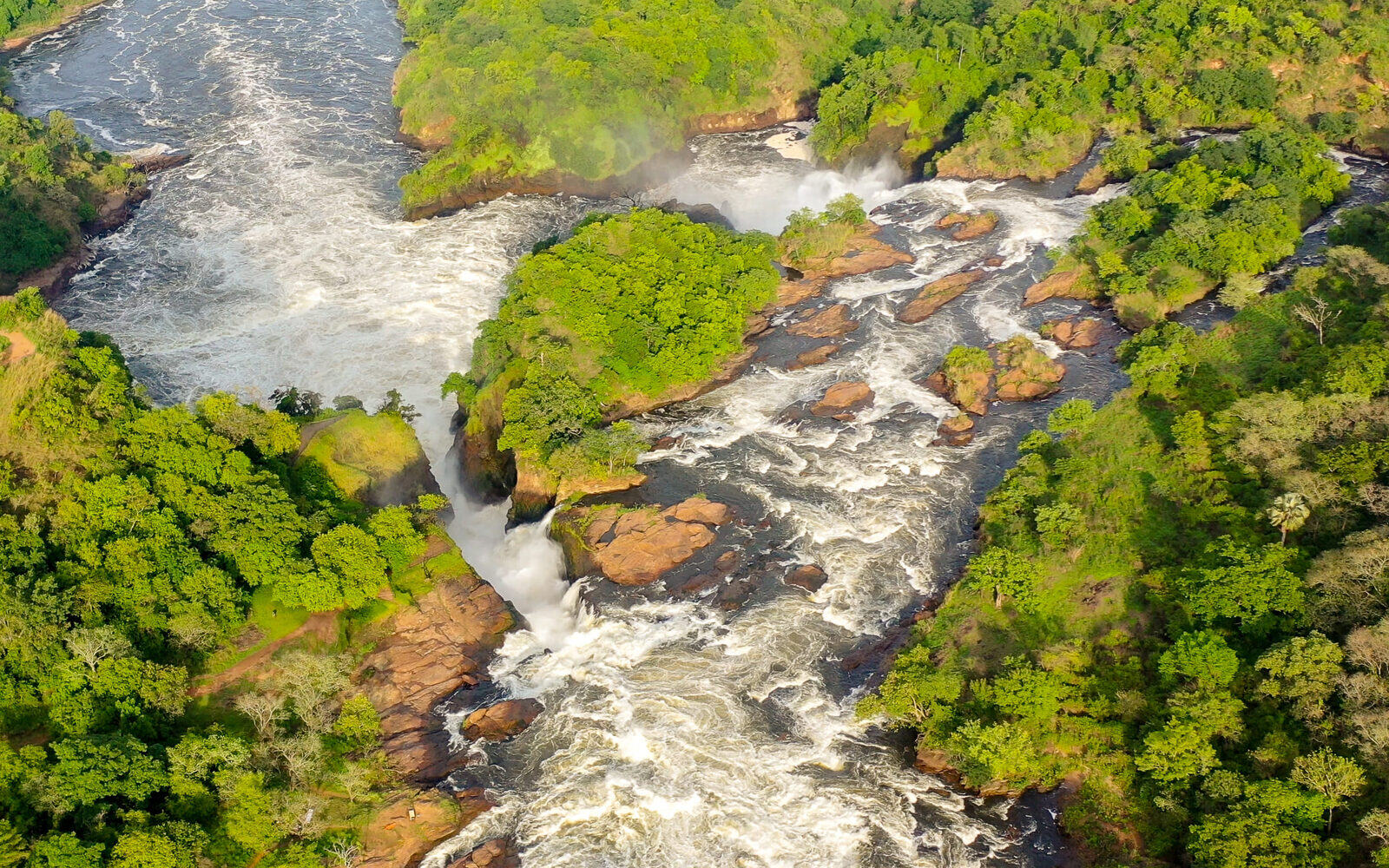
New Tourism Circuits: Beyond the Gorillas
The dominant draw is primate trekking and general wildlife safaris. These are extraordinary products, but they are not sufficient to drive a fivefold increase in arrivals or double the length of stay. Uganda needs circuits that give visitors compelling reasons to go to more places and stay longer.
Connecting visitors to Uganda's agricultural landscape — coffee farms, tea estates, vanilla plantations, fish landing sites — creating immersive experiences around the country's food production story. A rapidly growing global market, particularly among travellers from Europe and North America interested in the origins of what they consume.
Uganda has the potential to position itself as a regional hub for specialised medical care and higher education. Developing Centres of Excellence in targeted medical specialties — oncology, cardiac care, ophthalmology — would draw patients and students from across East and Central Africa, creating consistent, high-value visitor flow independent of seasonality.
The development of Uganda's oil fields is already bringing significant numbers of high-income professionals into the country. The strategy envisions formalising this into a dedicated industrial tourism circuit — combined with the extraordinary natural scenery of the Albertine Rift, which hosts some of Africa's highest concentrations of endemic species.
Uganda has a rich and complex history. The proposed Katonga Museum and similar initiatives would give visitors access to Uganda's historical narrative — conflicts, independence, national identity — in a way that deepens engagement with the country and creates a distinct cultural tourism product.
Uganda has produced world-class athletes and has growing ambitions in football, rugby, and endurance sports. The strategy envisions developing sports tourism infrastructure to host continental and international events and leverage Uganda's geography — altitude, terrain, waterways — for adventure sports.
Domestic Tourism: The Overlooked Market
The 30-fold target for domestic tourism is one of the most striking numbers in the entire strategy, and it reflects a genuine insight: Uganda cannot build a sustainable tourism economy that relies entirely on international arrivals. Ugandans need to be travelling within their own country — staying in lodges, visiting national parks, spending in local economies — both for the direct revenue it generates and for the social normalisation of tourism as part of everyday life.
Achieving this will require affordable domestic travel infrastructure, competitive pricing at national parks and heritage sites, and a deliberate campaign to build a culture of domestic leisure travel. It is not a footnote in the strategy — it is a recognition that Uganda's tourism economy must be built from within as well as from without.
Explore Tourism Investment Opportunities
Browse open hospitality PPPs, eco-tourism investments, and MICE infrastructure partnerships across Uganda.