
Building the Economy That Doesn't Exist Yet
The first three pillars of the Tenfold Growth Strategy are built on what Uganda already has. The fourth is built on what Uganda intends to become. STI is the most ambitious and forward-looking of the four ATMS sectors, resting on a twin-track approach: using science and technology to modernise the existing economy, while simultaneously building an entirely new, high-technology economy.
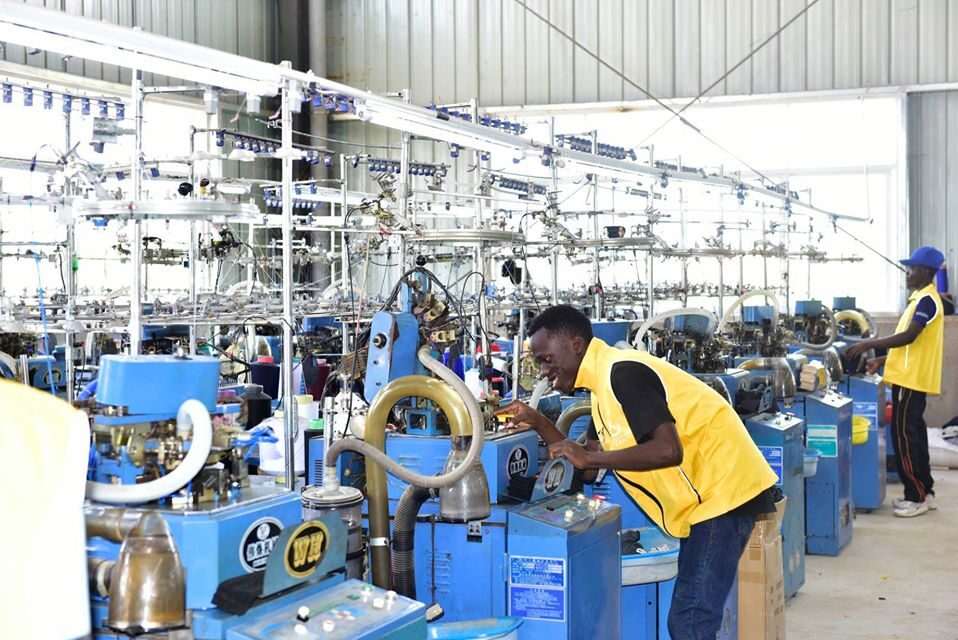
The largest economic value in the 21st century is not in land, raw materials, or even tourism — it is in knowledge: in the capacity to generate, apply, and commercialise ideas. Uganda's greatest resource is its people and what they can learn to do.
Upgrading the Traditional Economy
The first track applies science and technology to sectors that already exist — agriculture, manufacturing, health, construction — to make them dramatically more productive. The mechanisms are direct and actionable.
Building formal pathways from research to commercialisation — technology transfer offices, innovation funds, and private sector partnerships that turn laboratory outputs into actual products and services.
A deliberate effort to build manufacturing capacity by capturing domestic demand first before competing in export markets — not as protectionism, but as strategic industrial development.
A technique used aggressively by every major industrial economy at some point in its development. Particularly relevant in agricultural machinery, construction equipment, and basic industrial inputs.
R&D funding where grants are awarded based on applied relevance and commercial potential — replacing the model of largely disconnected academic research with outputs the economy can use.
The Pathogen Economy: Manufacturing Health
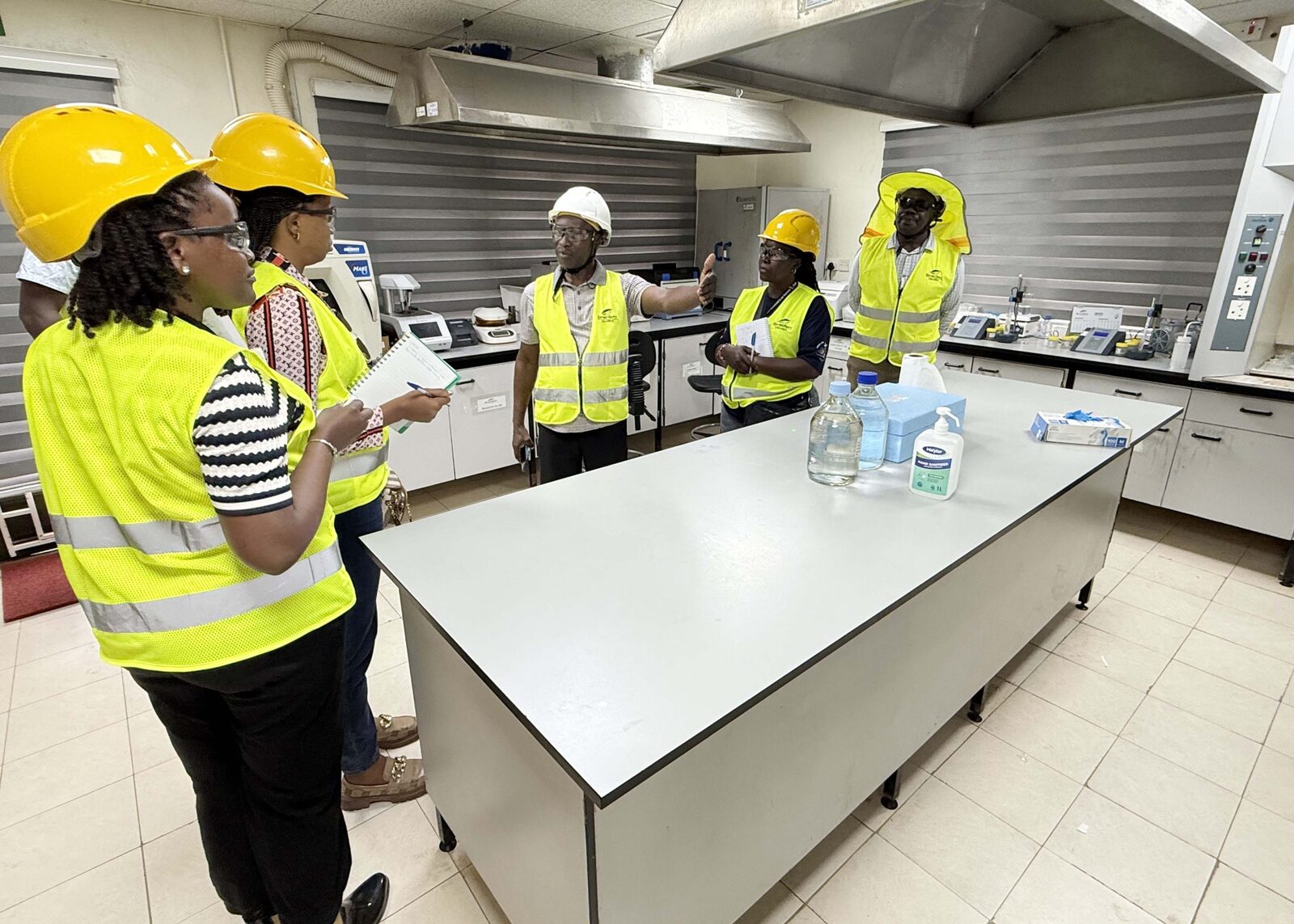
Uganda, like most African countries, imports the vast majority of its pharmaceuticals, vaccines, diagnostics, and medical equipment. The STI pillar positions Uganda to change this with a cluster of health manufacturing initiatives.
Developing the capacity to produce vaccines domestically, starting with diseases endemic to East Africa and eventually positioning Uganda as a regional vaccine supplier. This requires bioreactor capacity, cold chain infrastructure, regulatory expertise, and a skilled scientific workforce.
Manufacturing test kits, point-of-care diagnostics, and pharmaceutical compounds domestically. The Dei Pharmacy initiative is identified as a key anchor project in this cluster. The COVID-19 pandemic demonstrated in stark terms what dependency on imported health products means during a global crisis.
Producing medical devices and equipment locally — ventilators, diagnostic machines, hospital supplies — reducing import dependence and creating an exportable manufacturing sector. The market for health products in East and Central Africa is enormous and almost entirely supplied by imports.
Mobility: Building Uganda's Automotive Industry
Kiira Motors is Uganda's most visible step into the automotive sector — a state-supported initiative to design and manufacture electric vehicles domestically. The Tenfold Growth Strategy envisions scaling this into a genuine automotive and e-mobility manufacturing cluster.
Uganda has a growing domestic vehicle market, mineral endowments — cobalt, lithium, graphite — directly relevant to EV battery production, an existing industrial base, and a government with the political will to invest. The vision is of an integrated e-mobility ecosystem: Uganda mining the battery materials, processing them domestically, manufacturing battery packs, assembling electric vehicles, and selling them first into the domestic market and then into the broader East and Central African market, where vehicle import costs are high and the case for locally manufactured alternatives is strong.
The minerals sector and the STI sector are not separate strategies. They are vertically integrated: Uganda mines cobalt and lithium, processes them into battery materials, and assembles the final product domestically. The Tenfold Strategy treats this as one supply chain, not four separate pillars.
Industry 4.0 and Beyond
The strategy explicitly embraces the convergence of digital technology, automation, and data as a development framework. Kampala's growing developer community and startup ecosystem provides the foundation for what comes next.
Building Uganda's capacity to collect, process, and derive value from large datasets — in agriculture, health, financial services, and government — rather than exporting raw data to be processed by foreign platforms.
Developing and deploying automation technology in manufacturing and logistics contexts, starting with the industrial parks being created under the agro-industrial and mineral processing pillars.
Building domestic capacity in electronics manufacturing and software development, targeting both the domestic market and export opportunities in the regional digital economy.
The most forward-looking elements involve technologies most people would not associate with a developing economy.
Using satellite data for agriculture monitoring, disaster preparedness, urban planning, and natural resource management. Uganda's diverse geography and climate vulnerability make this immediately practical.
Drone technology already has demonstrated applications in medical supply delivery, agricultural mapping, and infrastructure inspection. The strategy envisions domestic capacity in UAV manufacturing and deployment across all four ATMS sectors.
The Enabling Infrastructure
None of the above is achievable without the physical and institutional infrastructure to support it. These are the critical enablers identified by the strategy.
- Science and Technology Industrial Parks
Purpose-built environments for knowledge-intensive activity — not generic industrial parks, but zones where research institutions, technology companies, and manufacturers co-locate to drive innovation through density.
- Specialised Common User Facilities
Shared laboratories, fabrication facilities, and testing equipment that individual companies or research institutions could not afford on their own, viable when shared across multiple users.
- Incubation Centres
Structured support environments for early-stage technology companies, providing workspace, mentorship, access to capital, and market linkages.
- Last-Mile Internet Connectivity
Expanding internet access to rural and peri-urban areas so Uganda's digital economy can draw on the full national talent pool, not just those in Kampala.
The Creatives Industry
One of the more distinctive elements of the STI pillar is its inclusion of music, film, literature, and the performing arts as a strategic economic sector. This is not tokenism — the global creative economy is enormous, and Africa's creative industries have demonstrated that there is massive global appetite for African cultural content.
Uganda has a rich musical tradition, a growing film sector, and literary talent that has not yet been systematically supported or commercialised. The strategy calls for commercialising the Creatives Industry through formal intellectual property protection, distribution platforms connecting Ugandan creative content to regional and global audiences, and industry infrastructure — recording studios, film production facilities, literary publishing — that gives creatives the tools to produce at professional quality.
A country with a globally recognised cultural footprint attracts tourism, investment, skilled diaspora, and international attention. The Creatives Industry is not separate from Uganda's development strategy — it is part of how Uganda tells its story to the world.
Explore Technology and Innovation Partnerships
Science parks, incubation programmes, biotech partnerships, and technology transfer opportunities across Uganda's emerging knowledge economy.